
The people speak 🇺🇸
This election cycle has been marked by foreign disinformation campaigns, influencer meddling and a flood of AI slop that sparked a new term for our information manipulation glossary – slopaganda.

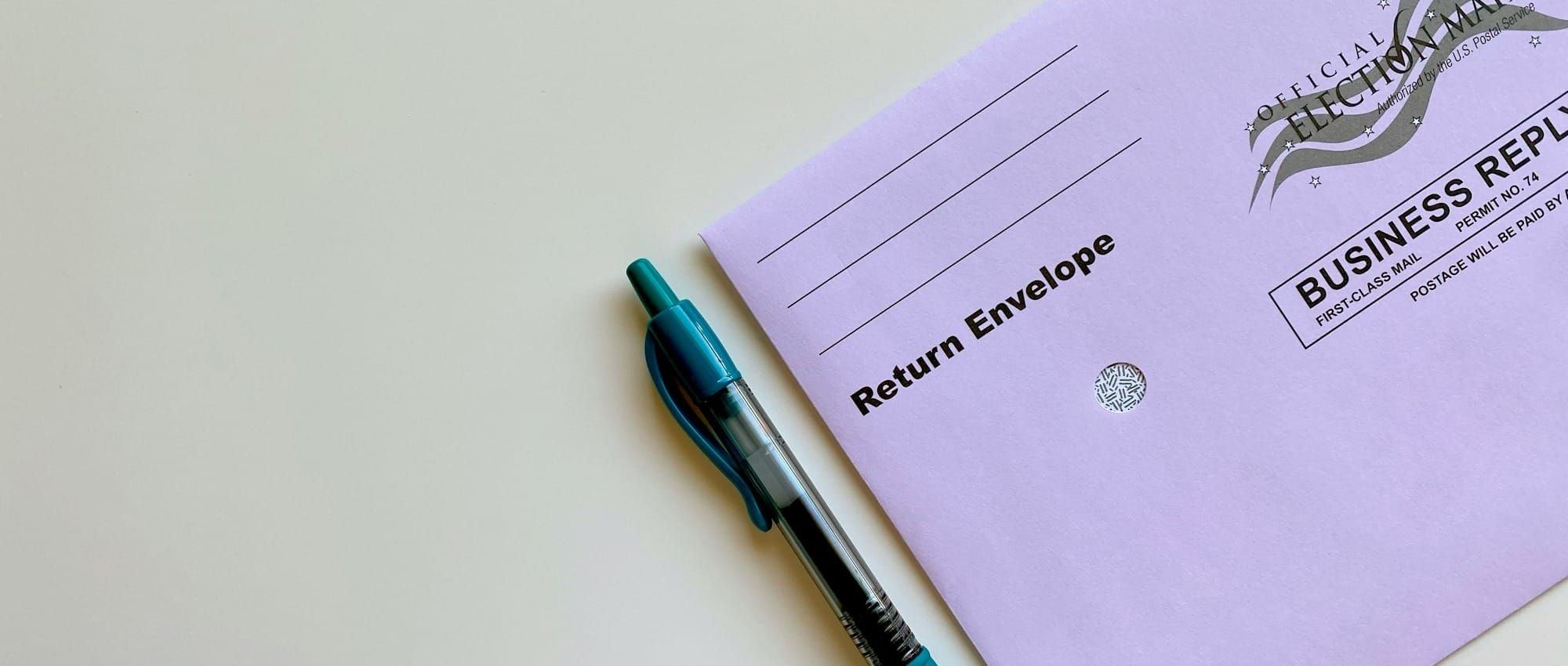
I’ve been at the Opportunity Collaboration conference in Portugal and woke today to the news that U.S. Democrats have taken control of both houses of Congress. For me to see that news at 7:30 am Albufeira time, which is 1:30 am in my hometown of DC, meant that many of the races we’ve been hearing about were won definitively.
It was the last part that really surprised me. This election cycle has been marked by foreign disinformation campaigns, influencer meddling and a flood of AI slop that sparked a new term for our information manipulation glossary – slopaganda. There were many opportunities for voter confusion or exhaustion with the whole thing. Yet people turned out.
You're invited
In a first-of-its-kind effort this summer, we looked at the landscape of practitioners helping adults build their media literacy skills in the U.S. Join us on Thursday, November 19, at noon EST for the release of Adult Media Literacy Education in the U.S.: Opportunities, Challenges, and a Path Forward. This free Zoom event will include representatives from the American Library Association, Alliance for Trust in Media, Media Done Responsibly and Truth in Common. Registration is required – just visit this link.
My first thought about the midterm results was that American journalists and politicians did a good job correcting the record when needed this cycle, AND have figured out how to do so via compelling and timely social media content that appears to be breaking through. A few examples:
- Ohio gubernatorial candidate Dr. Amy Acton countered a Vivek Ramaswamy campaign ad by disclosing that her estranged mother, who was featured in the ad, denied her second husband’s abuse of Acton when she was 12, an offense for which he was indicted. The response videos circulated by her campaign captured the country’s empathy and outrage and were followed by a barrage of fundraising appeals that dominated my texts and social media feeds for at least a week. Yesterday she became the first woman governor-elect in Ohio’s history.
- Kellen Browning of the New York Times broke the news that despite their vigorous denials, Democrats in Alaska did, in fact, influence an independent candidate named Dan J. Sullivan Jr. to join the senatorial race there in an apparent move to pull votes from incumbent Republican Dan S. Sullivan and shore up Democrat Mary Peltola’s chances of winning. The U.S. Department of Justice has tried to block Alaska’s results if Senator Sullivan loses narrowly and the state is now investigating Peltola’s campaign. Since Alaska uses ranked choice voting, results take longer than in other states so the outcome is still to be determined.
Meanwhile, our friends at the Disinformation Defense League identified online influencers who, under the guise of “citizen journalism,” have been vying for engagement through shady election monitoring schemes and by amplifying misleading narratives like the ever-popular claim that non-citizens have or are voting in significant numbers (they’re not). Read about the most widespread claims in key states this cycle in DDL’s new 2026 Election Fraud Narratives report.
And in a hail Mary-style attack, a Russian disinformation operation tracked by NewsGuard targeted voters with a series of fabricated videos that purported to show malfeasance by Democrat candidates for Senate in Ohio, Maine and Texas. One fake video appeared to show a former student accusing Texas candidate James Talarico of sexual assault. It was actually an AI deep fake based on an actual student at the school, who when interviewed called Talarico “a great teacher.” Despite the debunks the fake videos were viewed a total of 3 million times.
I hope to see reports verifying that the fact-checks gave the falsehoods a run for their money this cycle. We’ll see in the coming weeks.
In the meantime
Stay watchful for post-election meddling. It’s a great time to take in in a variety of news sources rather than just your old favorites. Download the Google News app and use that, or share your preferred curation tips in the comments.
Follow us on Instagram @truth_incommon
LinkedIn | Threads: @dtroust | Twitter
Our mailing address is P.O. Box 21456, Washington, DC 20009
Copyright (c) 2026 Truth in Common. All rights reserved.